








The 'Natural' Supplement That Sent Your Liver to the ER
Wellness | September 19, 2026
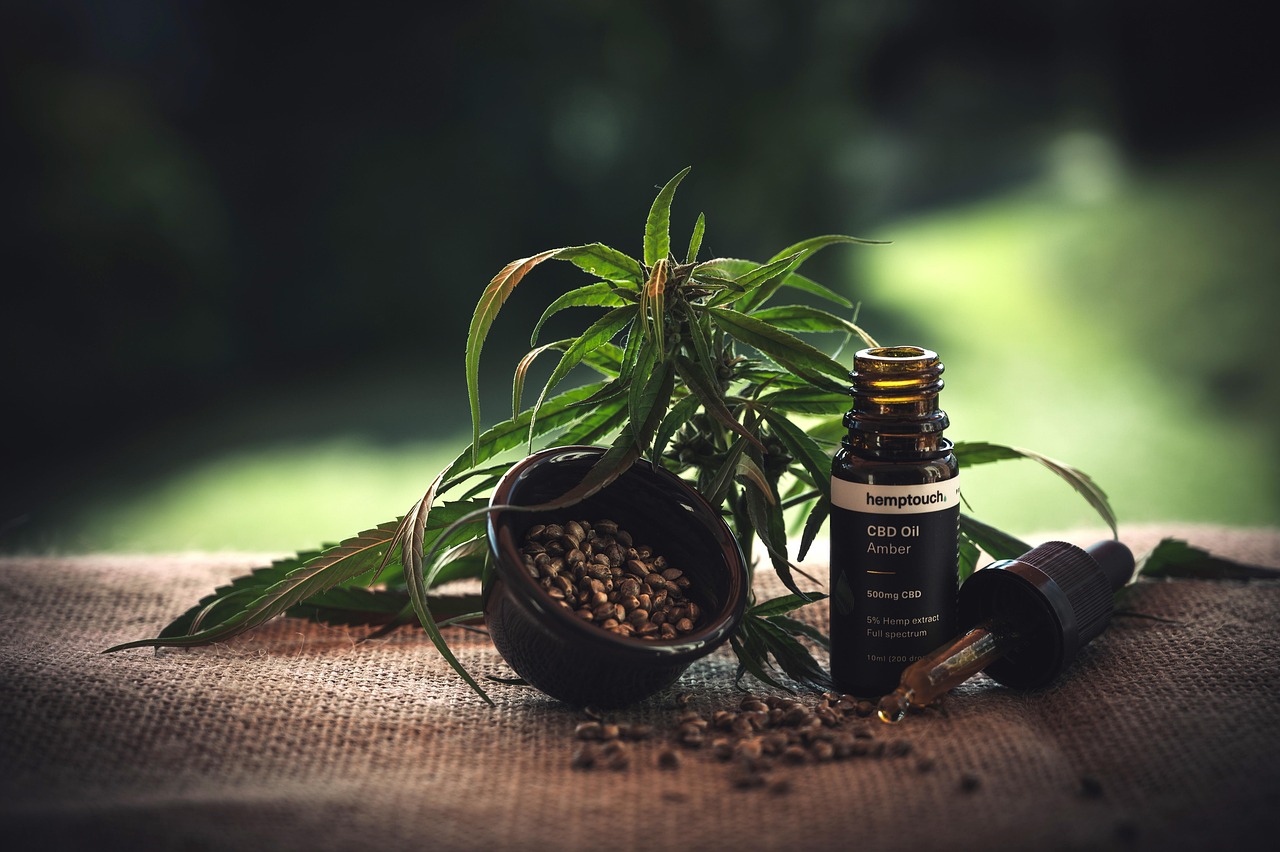
There is a particular kind of confidence that comes from reading the word 'natural' on a label. It feels like permission. Permission to skip the research, to trust the amber glass bottle, to believe that because something grew from the earth it must be gentle on the body that came from the earth too. The wellness aisle leans hard into this instinct, and it is very good at it.
But 'natural' is not a regulatory category. It is a vibe. Arsenic is natural. So is hemlock. The supplements sitting on that shelf are, in most countries, barely regulated compared to pharmaceuticals. They can go to market without proving they work, and in many places without proving they are safe at the doses people actually take. The bottle in your cabinet might contain exactly what the label says, or it might contain a fraction of it, or it might contain something else entirely that a supplier swapped in to cut costs.
Why Your Liver Notices First
The liver is the body's chemical processing plant. Everything you swallow eventually passes through it, and it does the unglamorous work of breaking down compounds so they can leave your system. When you take a concentrated extract of a plant that you would never eat in that quantity, the liver has to handle a dose it was never designed for. Herbal weight-loss blends, green tea extracts marketed as fat burners, and multi-ingredient 'detox' capsules are the usual suspects. The damage is often silent at first, showing up as fatigue or a queasy feeling you attribute to something else, until a blood test reveals enzymes that should not be that high.
What makes this a Primrose Path is how reasonable the first step feels. You wanted to sleep better, or lose a little weight, or support your immune system. You chose the option that seemed gentler than a prescription. Nobody warned you that 'gentle' and 'unregulated' are not the same word.
A Slower, Less Photogenic Approach
The honest alternative is boring. Before adding any supplement, especially one promising dramatic results, talk to a pharmacist or doctor who can look at what you already take. Interactions are real, and they are not rare. If you decide to try something, introduce one product at a time so you can actually tell what is doing what. Keep the bottle and note the lot number. If you feel off, stop and get a blood test rather than pushing through because you paid for the whole bottle.
None of this is as satisfying as a single capsule that promises to fix a decade of habits. But the body does not respond to promises. It responds to what is actually inside the capsule, and that is a question the label is not required to answer.


Primrose Path

Free is a business model, not a gift, and the cost usually shows up somewhere you were not looking.